
Donation infrastructure. It might not sound exciting at first, but in practice, it’s one of the most important investments a fiscal sponsor can make. Without it, fundraising stays fragmented, reactive, and hard to scale. With it, everything changes: visibility improves, nonprofits raise more, and operations become far more predictable.
Take the Social Good Fund as an example. They’ve built this directly into their website and call it a “Fundraising Portal”.

What a real donation infrastructure looks like
When a new nonprofit joins, they don’t start from scratch.
They create an online fundraising campaign inside the “ecosystem” and instantly, the fiscal sponsor can see it. No back-and-forth emails!
Everything lives in one place:
- All campaigns across all projects
- Real-time performance analytics
- Donor activity and engagement
- Transaction records and reconciliation
- Tax receipting and reporting
Instead of chasing information, the fiscal sponsor operate from a single source of truth.
Why this matters more than ever
Digital fundraising isn’t just “one of the channels” anymore. It’s the backbone.
If nonprofits rely on scattered tools (a donation widget here, email somewhere else, reports in another system), they lose momentum. Campaigns become harder to optimize. Donors slip through the cracks.
A proper donation infrastructure solves this by connecting everything:
- Fundraising pages
- Donor communications
- Payments and compliance
- Reporting and insights
This creates something powerful: consistency.
Campaigns improve over time instead of stagnating for years. Donor relationships deepen and the community becomes stronger.
What nonprofits can actually do inside it
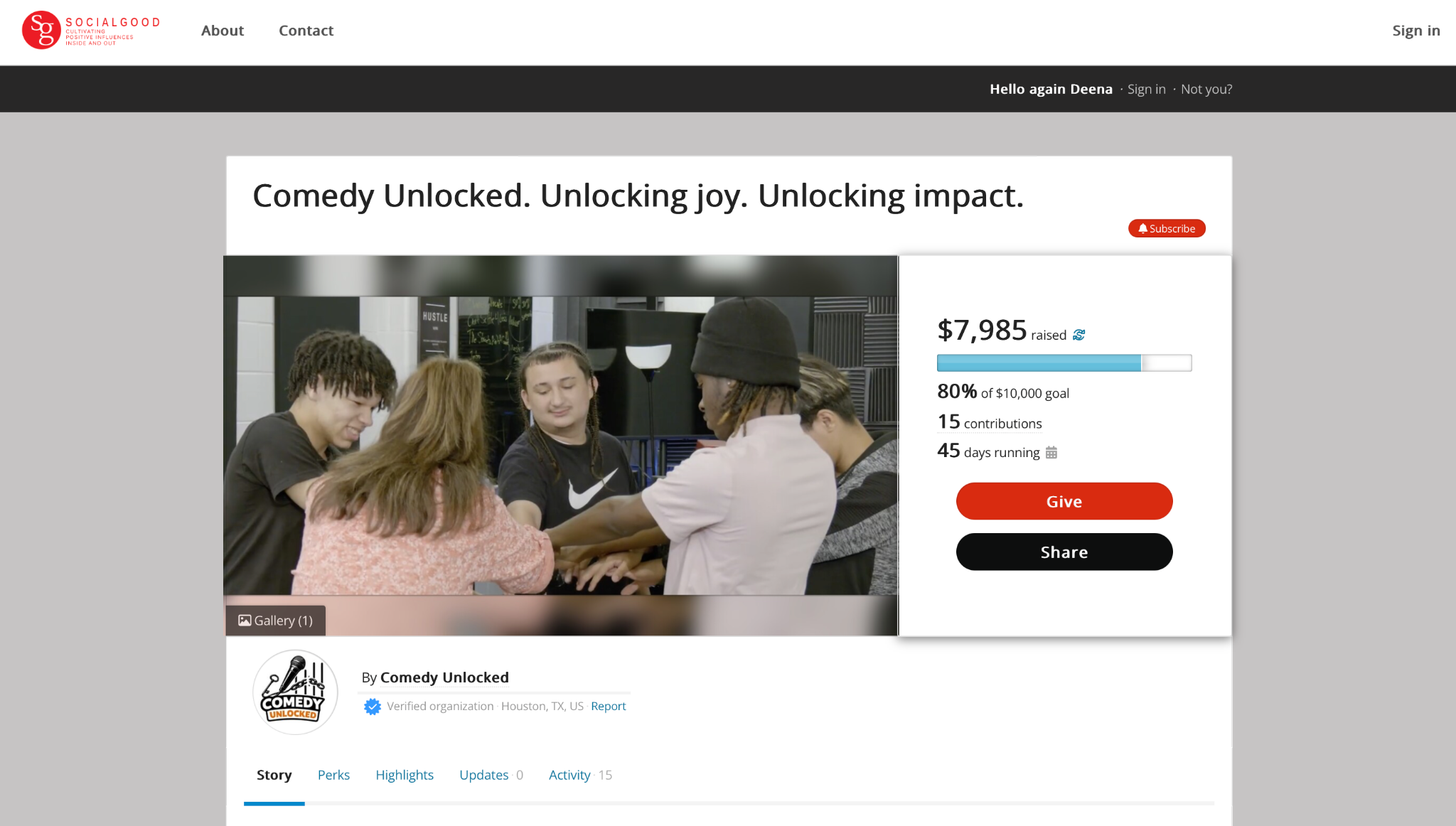
Inside a fundraising portal, nonprofits aren’t just collecting donations, they’re running campaigns where they can share their story, gallery, videos and create rewards.
They can:
- Choose a campaign layout
- Schedule and send emails to supporters
- Share updates that keep donors engaged
- Offer campaign rewards or perks
- Track what channels work best
And crucially, they don’t need to stitch together multiple tools to do it.
Everything happens in the same environment where donations are processed.
The overlooked advantage: control and oversight
For fiscal sponsors, this means the optimized fundraising process and saved time.
When all fundraising activity flows through one system:
- You can ensure compliance
- You can streamline reporting
- You can identify high-performing campaigns
- You can step in early when something isn’t working
Instead of being reactive, you become proactive.
Branding isn’t just a detail
One of the most underrated parts of donation infrastructure is branding.
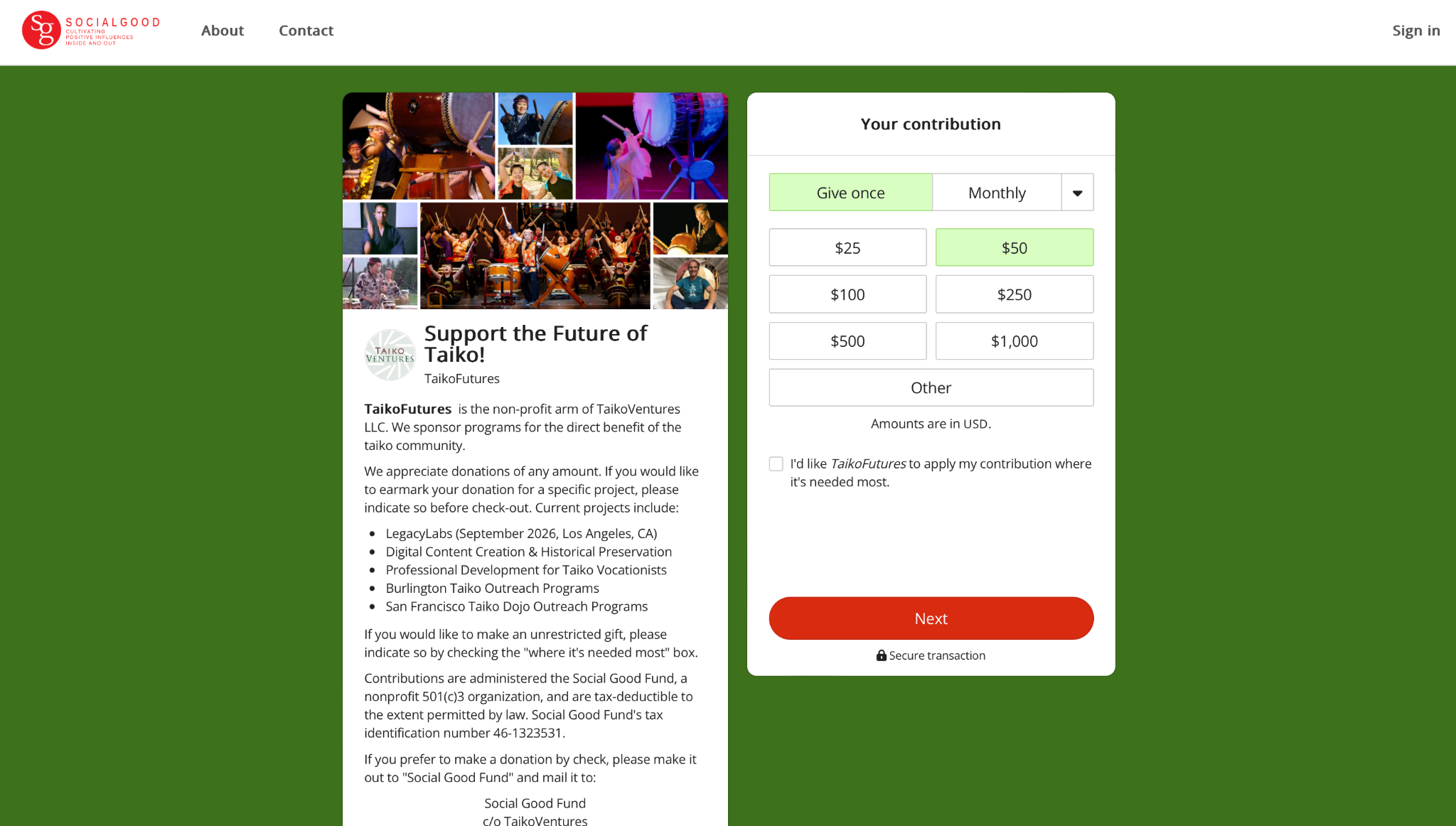
Campaign pages can carry the fiscal sponsor’s:
- Logo
- Colors
- Domain
This does two things:
- Builds trust with donors
- Reinforces the sponsor’s identity across all projects
Over time, donors begin to recognize the ecosystem and not just individual campaigns.
The bottom line
If fiscal sponsorship is about enabling nonprofits to succeed, then donation infrastructure is no longer optional.
It’s the difference between:
- Disconnected campaigns vs. coordinated growth
- Guesswork vs. data-driven decisions
- One-time donations vs. long-term donor relationships
And ultimately, it’s the difference between fundraising that survives and fundraising that scales.